Everything You Need to Know Before Climbing Africa’s Highest Mountain
Planning to climb Mount Kilimanjaro? Whether you’re a first-time trekker or an experienced adventurer, it’s natural to have questions before embarking on this once-in-a-lifetime journey.
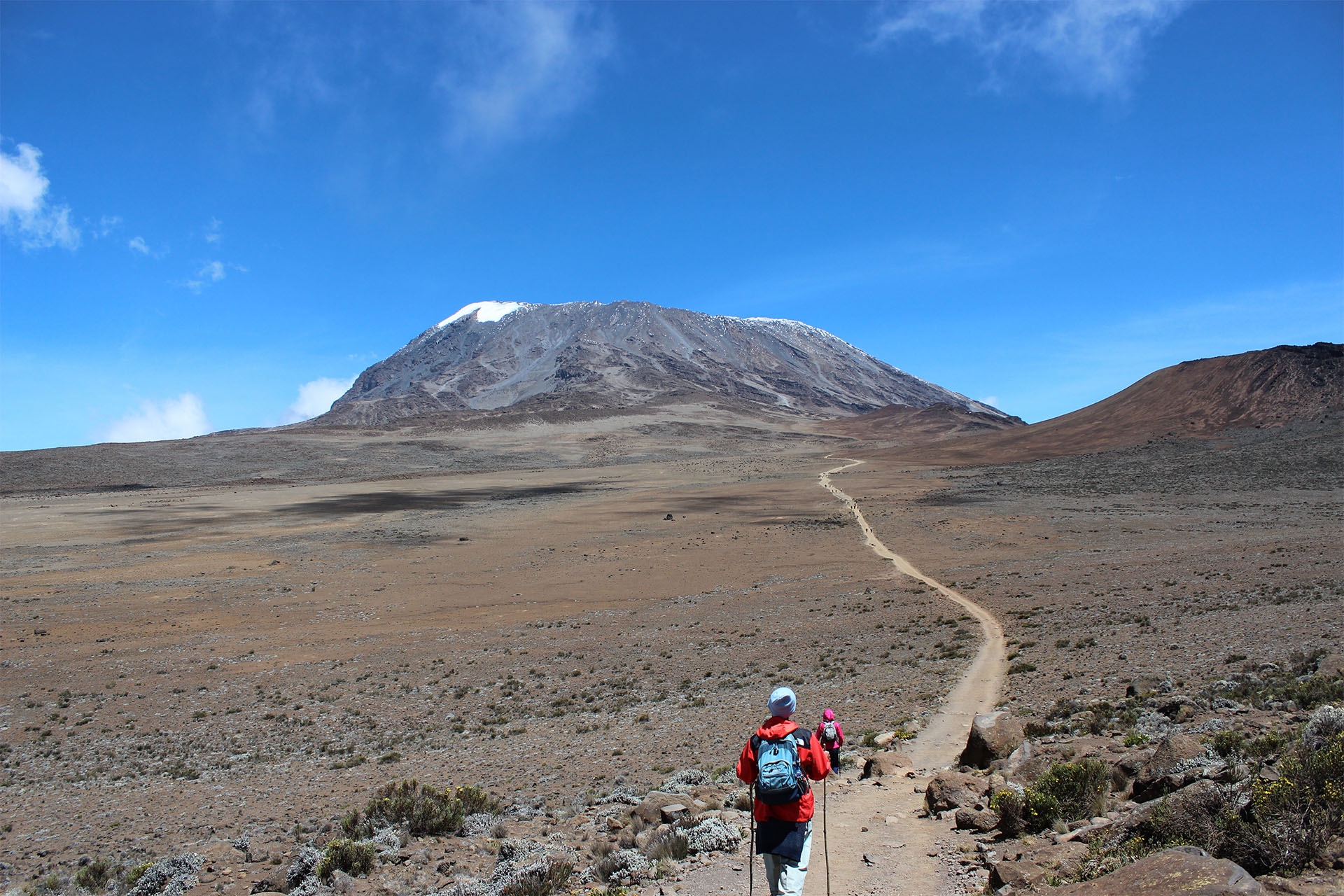
Standing at 5,895 metres (19,341 feet) above sea level, Mount Kilimanjaro is the highest mountain in Africa and the tallest free-standing mountain in the world. Every year, thousands of climbers from around the globe travel to Tanzania to experience its breathtaking landscapes, unique ecosystems, and unforgettable summit sunrise.
At KILIMANJARO MAGIC ADVENTURE, we have guided climbers from many countries to the Roof of Africa. This guide answers the most frequently asked questions about climbing Kilimanjaro and will help you prepare with confidence.
General Questions
1. Where is Mount Kilimanjaro?
Mount Kilimanjaro is located in northeastern Tanzania, close to the Kenya border. It lies within Kilimanjaro National Park, a UNESCO World Heritage Site, approximately 45 kilometres from the town of Moshi and about 80 kilometres from Kilimanjaro International Airport (JRO).
2. How high is Mount Kilimanjaro?
Mount Kilimanjaro rises to 5,895 metres (19,341 feet) above sea level. Its highest point is Uhuru Peak, located on the crater rim of Kibo, the mountain’s tallest volcanic cone.
3. Is Mount Kilimanjaro a volcano?
Yes. Mount Kilimanjaro is a dormant volcanic mountain made up of three volcanic cones:
- Kibo (5,895 m) – Dormant and home to Uhuru Peak.
- Mawenzi (5,149 m) – Extinct and rugged, suitable only for technical climbing.
- Shira (3,962 m) – Extinct and heavily eroded, forming the Shira Plateau.
Although Kibo is considered dormant, there are no signs of an imminent eruption.
4. Do I need climbing experience?
No.
One of the unique features of Mount Kilimanjaro is that no technical climbing experience is required to reach Uhuru Peak.
Most routes involve trekking rather than rock climbing. If you are in good health, reasonably fit, and choose an itinerary with adequate acclimatisation, you have an excellent chance of reaching the summit.
5. How difficult is Mount Kilimanjaro?
Kilimanjaro is physically demanding but not technically difficult.
The main challenges are:
- High altitude
- Long hiking days
- Cold temperatures
- Summit night
- Reduced oxygen levels
Mental determination, proper preparation, and choosing the right route are just as important as physical fitness.
6. What is the best route to climb Kilimanjaro?
The answer depends on your goals.
Lemosho Route
- Excellent acclimatisation
- Beautiful scenery
- High summit success
- Highly recommended
Machame Route
- Spectacular scenery
- Popular with adventurous trekkers
- Excellent success rate
Marangu Route
- Mountain huts instead of tents
- Easier logistics
- Suitable for those preferring hut accommodation
Rongai Route
- Quieter trail
- Drier conditions
- Excellent during the rainy season
Northern Circuit
- Longest route
- Highest summit success
- Least crowded
- Best acclimatisation
7. Which route has the highest summit success rate?
The Northern Circuit Route (9 days) generally has the highest success rate because it provides the longest acclimatisation period.
Other excellent options include:
- 8-Day Lemosho Route
- 7-Day Machame Route
- 6-Day Sirimon–Chogoria… (Mount Kenya only—not applicable to Kilimanjaro; for Kilimanjaro, the 7–8 Day Lemosho and 9-Day Northern Circuit are among the strongest choices.)
For Kilimanjaro, we generally recommend:
- 9-Day Northern Circuit
- 8-Day Lemosho Route
- 7-Day Machame Route
8. How many days should I choose?
Longer itineraries significantly improve your chances of reaching Uhuru Peak.
General recommendations:
- 5 Days – Experienced hikers only
- 6 Days – Good
- 7 Days – Very good
- 8 Days – Excellent
- 9 Days – Best acclimatisation
Whenever possible, we recommend choosing 7 days or longer.
9. What is the best time to climb Mount Kilimanjaro?
The mountain can be climbed throughout the year.
The most popular seasons are:
January to March
- Cooler temperatures
- Clear mornings
- Fewer climbers
- Occasional snow near the summit
June to October
- Dry weather
- Excellent visibility
- Most popular season
Both periods offer excellent trekking conditions.
10. Can beginners climb Kilimanjaro?
Yes.
Many of our guests have never climbed a mountain before.
Success depends on:
- Good physical preparation
- Choosing an appropriate route
- Walking slowly
- Proper acclimatisation
- Following your guide’s advice
With the right support, first-time trekkers successfully reach the summit every year.
Physical Fitness & Training
11. How fit do I need to be?
You don’t need to be an elite athlete, but you should have a good level of cardiovascular fitness and be comfortable walking for several hours over consecutive days.
Training with hiking, running, cycling, swimming, stair climbing, or long walks for at least 8–12 weeks before your trek is highly recommended.
12. What is the best way to train?
The most effective preparation includes:
- Long weekend hikes
- Stair climbing
- Walking with a daypack
- Cycling or running
- Leg-strength exercises
- Core training
- Flexibility and stretching
Consistency is more important than intensity.
13. Can older people climb Kilimanjaro?
Yes.
We have successfully guided climbers in their 60s and 70s, and even older, to Uhuru Peak.
Age is less important than overall health, preparation, and choosing an itinerary with sufficient acclimatisation.
14. Can children climb Kilimanjaro?
Kilimanjaro National Park has a minimum climbing age of 10 years.
However, we generally recommend the climb for teenagers who are physically fit, motivated, and capable of handling long trekking days and high altitude.
15. Do I need a medical check-up?
If you have any existing medical condition—such as heart disease, asthma, diabetes, or high blood pressure—you should consult your doctor before booking.
A general medical check-up is recommended for all climbers, especially those travelling from overseas.
Altitude & Acclimatisation
16. What is altitude sickness?
Altitude sickness, also known as Acute Mountain Sickness (AMS), occurs when your body does not have enough time to adjust to reduced oxygen levels at high elevations.
Because Mount Kilimanjaro reaches 5,895 metres (19,341 feet), every climber is exposed to high altitude. The key to reducing the risk is proper acclimatisation, walking slowly, staying hydrated, and choosing an itinerary with enough trekking days.
17. Can anyone get altitude sickness?
Yes.
Altitude sickness can affect anyone regardless of:
- Age
- Gender
- Physical fitness
- Previous hiking experience
Even marathon runners and professional athletes can experience altitude sickness.
Fitness helps you walk longer distances, but it does not make you immune to altitude.
18. What are the symptoms of altitude sickness?
Common symptoms include:
- Headache
- Dizziness
- Fatigue
- Loss of appetite
- Nausea
- Difficulty sleeping
- Shortness of breath
These symptoms are often mild and improve with rest, hydration, and proper acclimatisation.
If symptoms become severe, your guide may decide that descending is the safest option.
19. How do your guides monitor climbers?
At KILIMANJARO MAGIC ADVENTURE, your health is monitored every day.
Our guides regularly assess:
- Walking pace
- Energy levels
- Appetite
- Hydration
- General wellbeing
- Symptoms of altitude sickness
On longer routes, guides may also conduct routine health checks using equipment such as pulse oximeters to monitor oxygen saturation and heart rate.
20. Can altitude sickness be prevented?
Although altitude sickness cannot always be prevented, the risk can be greatly reduced by:
- Choosing a longer route
- Walking slowly (“Pole Pole”)
- Drinking 3–4 litres of water daily
- Eating regular meals
- Sleeping well
- Following your guide’s instructions
The slower you climb, the better your body adapts.
21. Should I take Diamox?
Some climbers choose to take Diamox (Acetazolamide) to assist with acclimatisation.
This medication should only be taken after consulting your doctor, as it may not be suitable for everyone.
If you decide to use Diamox, please inform your guide before the trek begins.
22. What happens if I become ill on the mountain?
Your safety always comes first.
If you become seriously unwell, your guide will assess your condition and decide whether you should:
- Rest
- Receive additional monitoring
- Descend to a lower altitude
- Be evacuated if necessary
Our mountain team is trained to respond quickly and professionally to medical emergencies.
23. Do you carry oxygen?
Emergency oxygen is available on many of our Kilimanjaro climbs, particularly private departures and premium packages.
Regardless of oxygen availability, the primary treatment for serious altitude illness is immediate descent.
Please ask your travel consultant about the equipment included with your chosen package.
24. What happens in an emergency?
All of our Kilimanjaro expeditions have emergency procedures in place.
Our mountain teams carry:
- Comprehensive first aid kits
- Emergency communication devices where available
- Emergency oxygen on selected departures
- Stretcher arrangements through Kilimanjaro National Park when required
If necessary, evacuation procedures will be coordinated with the relevant park authorities.
25. Is Mount Kilimanjaro safe?
Yes.
Mount Kilimanjaro is considered one of the safest high mountains in the world when climbed with a licensed operator.
Your safety depends on:
- Choosing a reputable company
- Experienced guides
- Proper acclimatisation
- Good equipment
- Following mountain safety procedures
At KILIMANJARO MAGIC ADVENTURE, guest safety is our highest priority.
Summit Night
26. What is summit night?
Summit night is the final ascent to Uhuru Peak.
Most climbers leave camp between 11:00 PM and 1:00 AM, hiking through the night to reach the summit shortly after sunrise.
Although it is the most demanding part of the trek, it is also the most rewarding.
27. Why do climbers start at night?
Climbing during the night offers several advantages:
- Reaching the summit at sunrise
- Firmer volcanic scree underfoot
- Cooler temperatures that reduce snowmelt
- More time to descend safely before afternoon weather changes
Watching the sunrise from Uhuru Peak is one of the highlights of the entire expedition.
28. How cold is summit night?
Temperatures on summit night often range between:
-10°C and -20°C, depending on the season, wind, and weather conditions.
Proper clothing is essential.
You should wear:
- Thermal base layers
- Fleece jacket
- Down jacket
- Waterproof outer shell
- Warm gloves
- Beanie
- Thick hiking socks
29. How difficult is summit night?
Summit night is the most physically and mentally demanding section of the climb.
Challenges include:
- Steep volcanic scree
- High altitude
- Thin air
- Darkness
- Cold temperatures
- Fatigue after several days of trekking
The best strategy is to walk slowly, maintain a steady pace, and trust your guide.
30. What does reaching Uhuru Peak feel like?
For many climbers, standing at Uhuru Peak (5,895 metres) is one of the most emotional moments of their lives.
After days of effort, determination, and teamwork, you will arrive at the famous summit sign overlooking glaciers, volcanic landscapes, and the plains of Tanzania far below.
Many climbers describe feelings of:
- Joy
- Pride
- Relief
- Gratitude
- Achievement
After taking photographs and celebrating your success, you will begin the descent, where your guides and mountain crew continue supporting you until you safely reach lower elevations.
Why Climb with KILIMANJARO MAGIC ADVENTURE?
As a proudly Tanzanian tour operator, KILIMANJARO MAGIC ADVENTURE offers professionally guided Kilimanjaro expeditions led by experienced local mountain guides. We combine safety, personalised service, quality equipment, and carefully planned itineraries to give every climber the best possible chance of reaching the Roof of Africa.
Our goal is not simply to take you to the summit—but to ensure you enjoy every step of the journey.