Your Complete Guide to Climbing Africa’s Highest Mountain
Standing proudly at 5,895 metres (19,341 feet) above sea level, Mount Kilimanjaro is the highest mountain in Africa and the tallest free-standing mountain in the world. Located in northern Tanzania, this iconic mountain attracts more than 30,000 climbers every year who dream of standing on the legendary Uhuru Peak, also known as the Roof of Africa.
Unlike many of the world’s highest mountains, climbing Mount Kilimanjaro does not require technical climbing skills. With proper preparation, a suitable route, experienced mountain guides, and adequate acclimatisation, thousands of climbers successfully reach the summit every year.
At KILIMANJARO MAGIC ADVENTURE, we specialise in professionally guided Kilimanjaro expeditions, providing experienced local guides, quality equipment, and personalised service to help you enjoy a safe, successful, and unforgettable adventure.
Quick Facts About Mount Kilimanjaro
| Information | Details |
|---|---|
| Country | Tanzania |
| National Park | Kilimanjaro National Park |
| UNESCO Status | UNESCO World Heritage Site |
| Height | 5,895 metres (19,341 feet) |
| Highest Point | Uhuru Peak |
| Mountain Type | Dormant Stratovolcano |
| Volcanic Cones | Kibo, Mawenzi & Shira |
| First Successful Ascent | 1889 |
| Technical Climbing Required | No (for Uhuru Peak) |
| Trekking Duration | 5–9 Days |
| Difficulty | Moderate to Challenging |
| Best Seasons | January–March & June–October |
Where is Mount Kilimanjaro?
Mount Kilimanjaro is located in northern Tanzania, approximately:
- 45 km from Moshi
- 80 km from Kilimanjaro International Airport (JRO)
- Close to the Kenya–Tanzania border
The mountain lies within Kilimanjaro National Park, one of Tanzania’s most important protected areas and a UNESCO World Heritage Site recognised for its outstanding natural beauty and ecological significance.
The Three Volcanic Cones
Mount Kilimanjaro is composed of three volcanic cones.
Kibo (5,895 m)
Kibo is the highest and youngest volcanic cone.
It is home to:
- Uhuru Peak
- Reusch Crater
- Ash Pit
- Remaining glaciers and ice fields
All standard trekking routes lead to Uhuru Peak on Kibo.
Mawenzi (5,149 m)
Mawenzi is the second-highest peak on Kilimanjaro.
Its rugged volcanic towers require technical climbing and are not part of standard trekking itineraries.
Although climbers pass beneath Mawenzi on the Rongai and Northern Circuit routes, its summit is only attempted by experienced mountaineers.
Shira (3,962 m)
Shira is the oldest and most heavily eroded volcanic cone.
Today it forms the spectacular Shira Plateau, crossed by both the Lemosho and Shira Routes.
The plateau offers magnificent views and excellent acclimatisation opportunities.
Kilimanjaro’s Ecological Zones
One of the most fascinating aspects of climbing Kilimanjaro is passing through five distinct ecological zones in just a few days.
1. Cultivation Zone (800–1,800 m)
This fertile area surrounds the mountain and is home to the Chagga people.
Common crops include:
- Coffee
- Bananas
- Maize
- Beans
- Avocados
Many climbers visit local farms before or after their trek.
2. Rainforest Zone (1,800–2,800 m)
The lower slopes are covered by dense tropical rainforest.
Wildlife may include:
- Blue monkeys
- Colobus monkeys
- Bush babies
- Duikers
- Numerous bird species
Towering trees, waterfalls, mosses, and colourful flowers create an unforgettable first day of trekking.
3. Heath and Moorland Zone (2,800–4,000 m)
As the forest disappears, the landscape transforms into open heathland.
Highlights include:
- Giant Lobelias
- Giant Groundsels
- Helichrysum flowers
- Heather shrubs
- Panoramic mountain views
This zone is one of the mountain’s most photographed landscapes.
4. Alpine Desert (4,000–5,000 m)
The environment becomes increasingly dry and barren.
Characteristics include:
- Volcanic rock
- Sparse vegetation
- Strong sunlight
- Cold nights
- Thin air
Only specially adapted plants survive at these elevations.
5. Arctic Summit Zone (Above 5,000 m)
Near the summit, climbers enter an arctic environment.
Features include:
- Glaciers
- Ice fields
- Snow
- Volcanic ash
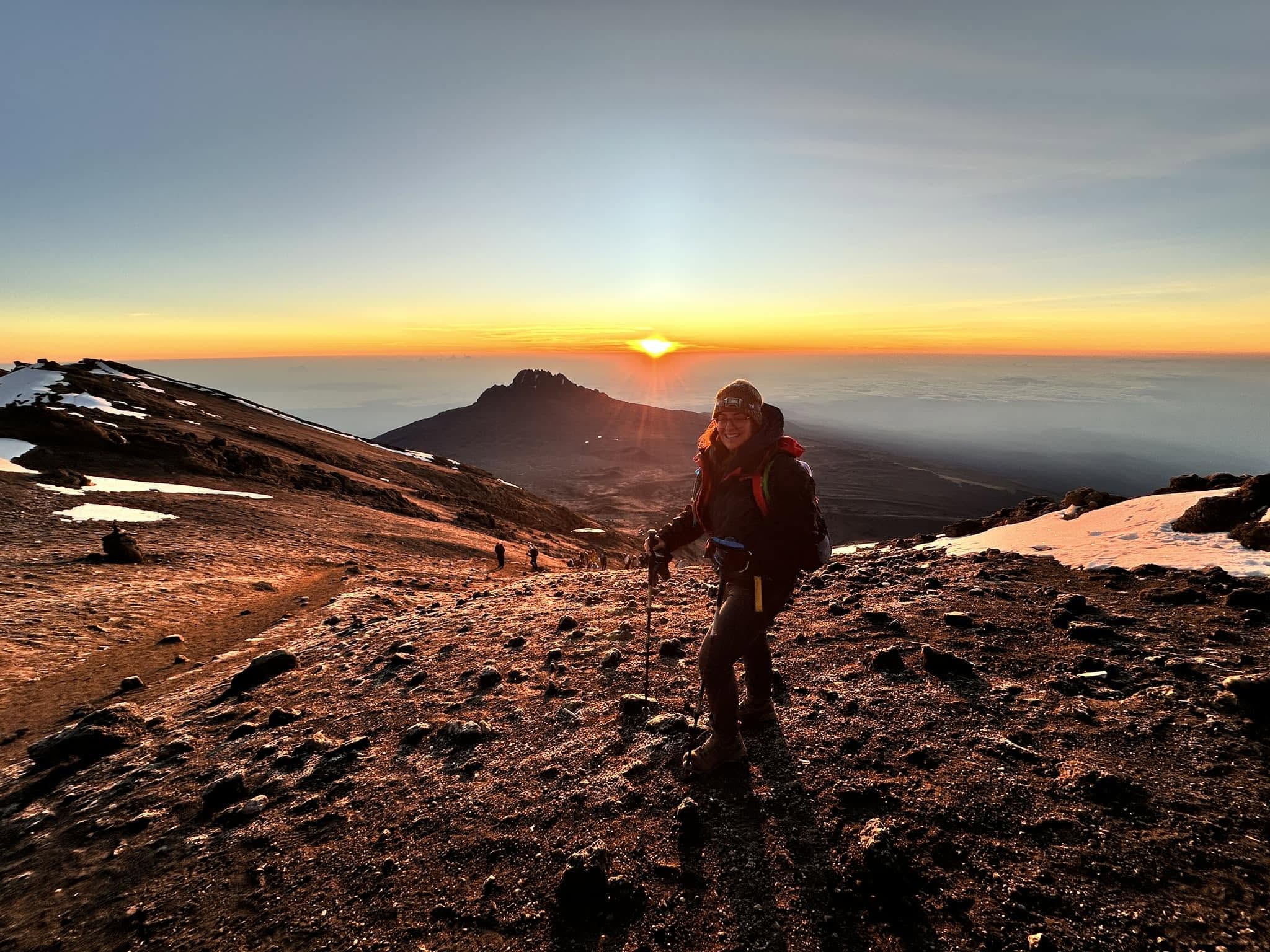
- Spectacular sunrise views
Standing at Uhuru Peak is a truly unforgettable experience.
Kilimanjaro Climbing Routes
There are seven official trekking routes to Uhuru Peak.
Lemosho Route (6–8 Days)
One of the most scenic and successful routes.
Highlights:
- Excellent acclimatisation
- Beautiful Shira Plateau
- Fewer crowds
- High summit success
Recommended for most climbers.
Machame Route (6–7 Days)
Known as the “Whiskey Route.”
Highlights:
- Outstanding scenery
- Excellent acclimatisation
- Diverse landscapes
- Popular with adventurous trekkers
Marangu Route (5–6 Days)
Known as the “Coca-Cola Route.”
Highlights:
- Mountain huts instead of tents
- Comfortable accommodation
- Gradual trail
- Suitable for climbers who prefer hut lodging
Rongai Route (6–7 Days)
The only route approaching from the northern side of the mountain.
Highlights:
- Less crowded
- Drier climate
- Excellent wildlife viewing on the lower slopes
- Beautiful views of Mawenzi
Northern Circuit Route (9 Days)
The longest and most comprehensive route.
Highlights:
- Highest summit success rate
- Outstanding acclimatisation
- Least crowded route
- Nearly complete circuit around Kibo
Ideal for climbers seeking the best chance of reaching the summit.
Umbwe Route (6–7 Days)
The shortest and steepest route.
Highlights:
- Dramatic scenery
- Challenging ascent
- Quiet trail
Recommended for experienced trekkers only.
Shira Route (6–8 Days)
Begins at a higher elevation than Lemosho.
Highlights:
- Beautiful plateau
- Spectacular scenery
- Good for experienced hikers already acclimatised
Difficulty Level
Mount Kilimanjaro is not technically difficult, but it is physically demanding.
The main challenges include:
- High altitude
- Long hiking days
- Summit night
- Cold temperatures
- Reduced oxygen levels
Success depends more on acclimatisation than physical strength.
Best Time to Climb
The mountain can be climbed throughout the year.
January – March
- Clear mornings
- Cooler temperatures
- Fewer climbers
- Good snow conditions near the summit
June – October
- Dry weather
- Excellent visibility
- Most popular season
- Ideal trekking conditions
April – May
Long rainy season.
Trails can become muddy, although climbing is still possible.
November
Short rainy season with occasional showers.
Wildlife on Mount Kilimanjaro
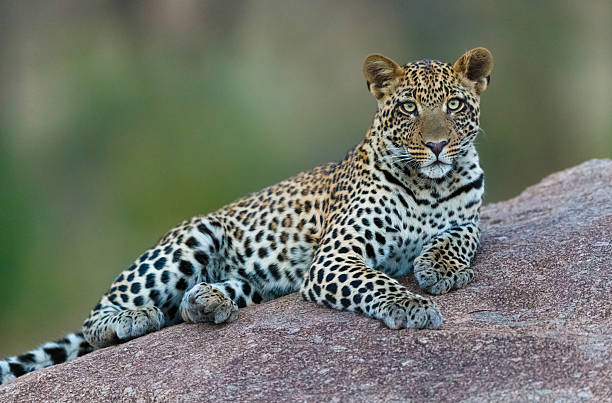
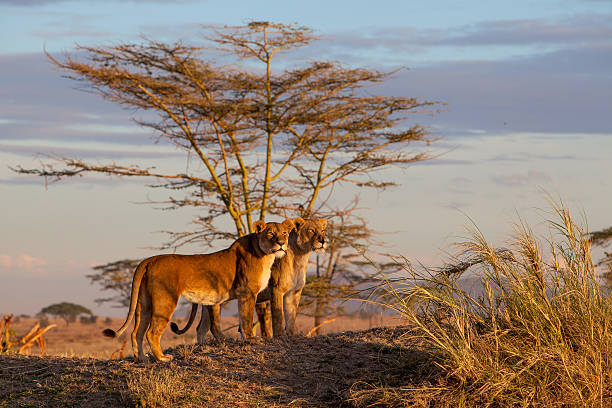
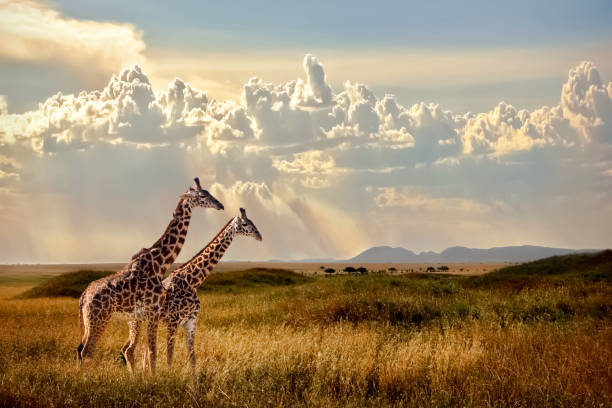
Although Kilimanjaro is famous for trekking rather than safaris, the lower slopes support diverse wildlife.
Animals may include:
- Blue monkeys
- Black-and-white colobus monkeys
- Bushbuck
- Duikers
- Civets
- Bush babies
- White-necked ravens
- Hartlaub’s turacos
- Malachite sunbirds
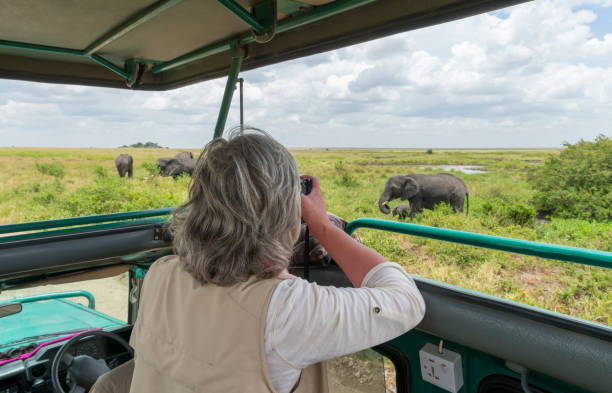
Large mammals such as elephants and buffalo occasionally move through the forest from surrounding wildlife corridors but are rarely seen by climbers.
Accommodation
Accommodation depends on the chosen route.
Hut Accommodation
Available only on the Marangu Route.
Mountain huts include:
- Mandara Hut
- Horombo Hut
- Kibo Hut
Camping Routes
All other routes use quality mountain tents erected each day by our professional mountain crew.
Altitude Sickness
Because Kilimanjaro reaches nearly 6,000 metres, altitude sickness is the greatest challenge facing climbers.
To reduce the risk:
- Choose a longer route
- Walk slowly (“Pole Pole”)
- Drink plenty of water
- Eat regular meals
- Follow your guide’s advice
- Never ignore symptoms
Our guides monitor every climber daily throughout the expedition.
Success Rates
Longer itineraries generally achieve higher summit success because they provide better acclimatisation.
Approximate success rates:
| Route | Typical Success Rate |
|---|---|
| 5-Day Marangu | 50–60% |
| 6-Day Marangu | 65–75% |
| 6-Day Machame | 75–85% |
| 7-Day Machame | 85–95% |
| 7-Day Lemosho | 90–95% |
| 8-Day Lemosho | 95%+ |
| 9-Day Northern Circuit | 95–98% |
Success rates vary depending on itinerary, guide quality, weather, group fitness, and acclimatisation.
Why Choose KILIMANJARO MAGIC ADVENTURE?
As a locally owned Tanzanian company, we understand Mount Kilimanjaro better than anyone.
When you climb with us, you benefit from:
- Professional licensed mountain guides
- Experienced assistant guides
- Skilled mountain cooks
- Dedicated porters
- High-quality camping equipment
- Daily health monitoring
- Safety-first approach
- Excellent summit success rates
- Ethical porter treatment
- Personalised service from arrival to departure
Our mission is not only to help you reach Uhuru Peak but to ensure you enjoy every step of the journey safely, comfortably, and confidently.
Ready to Climb the Roof of Africa?
Whether you choose the scenic Lemosho Route, the popular Machame Route, the comfortable Marangu Route, or the spectacular Northern Circuit, KILIMANJARO MAGIC ADVENTURE is here to make your dream of standing on the Roof of Africa a reality.
From your first enquiry to your summit celebration, our experienced mountain team will support you every step of the way.
Your Kilimanjaro Adventure Starts Here
Join KILIMANJARO MAGIC ADVENTURE and experience one of the world’s greatest trekking adventures with Tanzania’s trusted mountain specialists.