Discover the Extraordinary Wildlife and Plant Life of Africa’s Second Highest Mountain
Mount Kenya is much more than a trekking destination. Rising from the fertile plains of central Kenya to an elevation of 5,199 metres (17,057 feet), the mountain is home to one of Africa’s most remarkable ecosystems.
Recognised as a UNESCO World Heritage Site and protected within Mount Kenya National Park, the mountain supports an incredible diversity of wildlife, unique alpine vegetation, ancient forests, crystal-clear streams, glaciers, and rare endemic species.
As you ascend through different ecological zones, the landscape changes dramatically, creating one of the most fascinating mountain environments in the world.
At KILIMANJARO MAGIC ADVENTURE, we believe that climbing Mount Kenya is not only about reaching the summit—it’s also about appreciating the mountain’s extraordinary natural heritage.
Mount Kenya Ecosystems
Because of its great altitude, Mount Kenya contains several distinct ecological zones.
Each zone supports different plants and animals.
1. Montane Forest (1,800–2,800 metres)
The lower slopes are covered by dense indigenous forest.
Typical vegetation includes:
- African cedar
- Yellowwood
- Olive trees
- Camphor trees
- Bamboo forests
- Ferns
- Mosses
- Wild orchids
These forests provide important habitat for many mammals and birds.
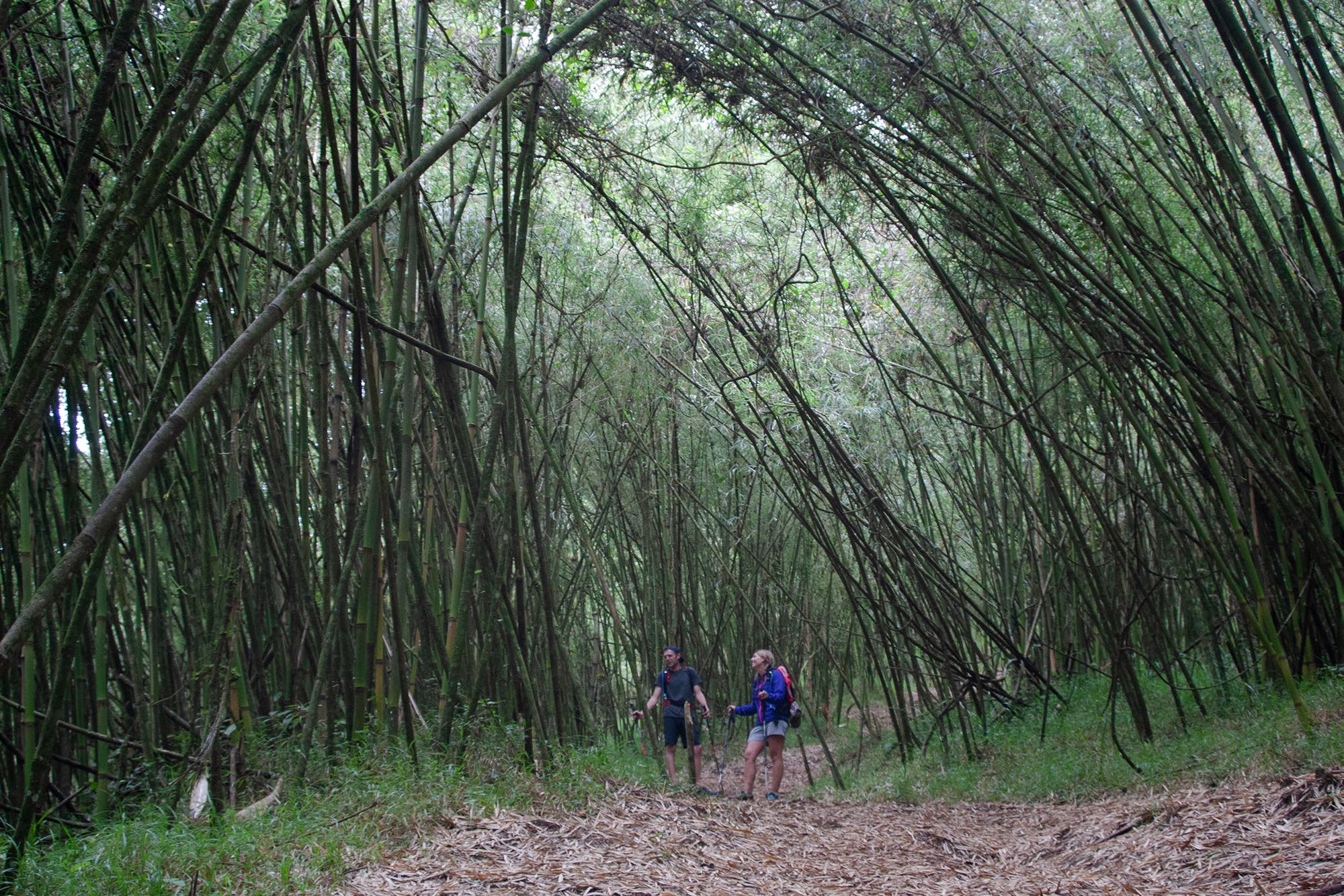
2. Bamboo Zone (2,400–3,000 metres)
One of the most distinctive habitats on the mountain.
Dense bamboo forests provide food and shelter for:
- Forest elephants
- Buffalo
- Bushbuck
- Monkeys
- Numerous bird species
Walking through the bamboo forest is often one of the most memorable parts of the climb.
3. Heath & Moorland Zone (3,000–4,000 metres)
This is perhaps the mountain’s most famous landscape.
Visitors encounter giant alpine plants that have adapted to the cold mountain climate.
Common species include:
- Giant Lobelia (Lobelia deckenii)
- Giant Groundsel (Dendrosenecio keniodendron)
- Helichrysum flowers
- Mountain heather
- Alpine grasses
These unusual plants create an almost prehistoric landscape found nowhere else.
4. Alpine Zone (4,000–4,800 metres)
Vegetation becomes increasingly sparse.
Conditions include:
- Strong sunlight
- Cold nights
- Thin air
- Rocky terrain
Only specially adapted plants survive here.
5. Summit Zone (Above 4,800 metres)
Near Point Lenana and the higher peaks, vegetation is extremely limited.
This zone features:
- Granite rock formations
- Small patches of alpine mosses and lichens
- Seasonal snow
- Glacial valleys
- Spectacular mountain scenery
Mammals of Mount Kenya
Mount Kenya National Park supports more than 50 species of mammals.
Although wildlife sightings are more common in the lower forest zone, visitors may encounter a variety of fascinating animals.
African Elephant
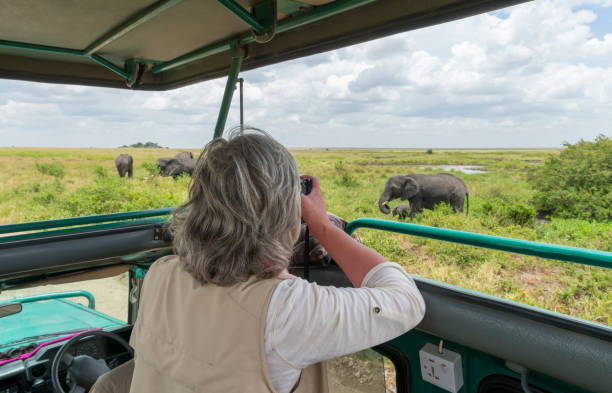
The mountain’s forests are home to healthy populations of African elephants.
They are most frequently encountered in the lower elevations where dense vegetation provides food and shelter.
African Buffalo
Buffalo are among the most commonly seen large mammals on Mount Kenya.
They usually remain within the forest and bamboo zones.
Bushbuck
These shy antelopes are often seen feeding quietly along forest trails.
Their excellent camouflage makes them difficult to spot.
Black-and-White Colobus Monkey
One of the mountain’s most iconic animals.
Their long white tails and graceful movements through the forest canopy make them popular with photographers.
Sykes’ Monkey
Frequently observed in the lower forests.
These curious monkeys often travel in social groups.
Rock Hyrax
Despite their small size, hyraxes are the closest living relatives of elephants.
They are commonly seen around rocky areas near the higher camps.
Giant Forest Hog
Africa’s largest wild pig inhabits the mountain forests.
Although rarely seen, tracks are occasionally observed along forest trails.
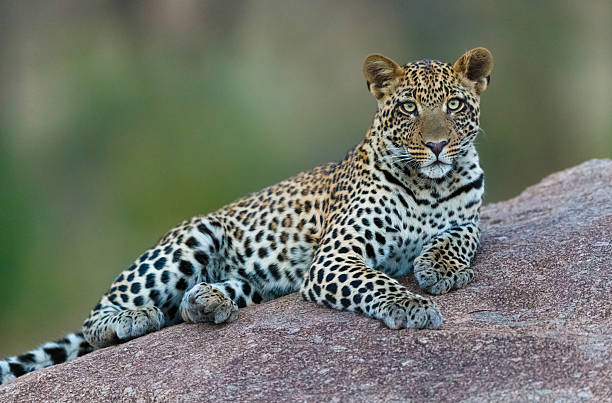
Leopard
Leopards inhabit Mount Kenya National Park but are extremely elusive.
Most visitors are unlikely to encounter one during their trek.
Birdlife
Mount Kenya is recognised as an important birding destination with more than 130 recorded bird species.
Common birds include:
- Hartlaub’s Turaco
- Scarlet-tufted Sunbird
- Alpine Chat
- Jackson’s Francolin
- Crowned Eagle
- Augur Buzzard
- Mountain Buzzard
- White-starred Robin
- African Goshawk
- Speckled Mousebird
Birdwatchers visiting during the early morning often enjoy exceptional sightings.
Unique Alpine Plants
Mount Kenya’s high-altitude plants are among the most remarkable in Africa.
Giant Lobelia
These impressive plants store water within their leaves to survive freezing nights.
Some species grow over three metres tall.
Giant Groundsel
Another iconic Mount Kenya plant.
Its thick trunk and rosette-shaped leaves help protect it from extreme temperature changes.
Many specimens are several decades old.
Everlasting Flowers
Various species of Helichrysum, often called everlasting flowers, produce colourful blooms throughout the alpine zone.
These flowers retain their appearance long after drying.
Glaciers and Water Sources
Although Mount Kenya’s glaciers have reduced significantly due to climate change, the mountain remains one of Kenya’s most important water towers.
Its rivers supply water to millions of people and support agriculture, wildlife, and hydroelectric power generation.
Major rivers originating from Mount Kenya include:
- Tana River tributaries
- Ewaso Nyiro tributaries
Protecting Mount Kenya’s ecosystems is therefore essential for both biodiversity and local communities.
Conservation
Mount Kenya National Park is jointly managed to protect its unique biodiversity and fragile ecosystems.
Conservation efforts focus on:
- Forest protection
- Wildlife conservation
- Sustainable tourism
- Habitat restoration
- Community involvement
- Scientific research
Visitors play an important role by following responsible trekking practices and supporting conservation initiatives.
Responsible Wildlife Viewing
When exploring Mount Kenya, please remember to:
- Observe wildlife from a respectful distance.
- Never feed wild animals.
- Stay on designated trails.
- Avoid making excessive noise.
- Leave plants and flowers undisturbed.
- Carry all litter off the mountain.
- Follow your guide’s instructions at all times.
Responsible tourism helps preserve this remarkable environment for future generations.
Best Time for Wildlife and Nature Photography
Nature photographers often prefer:
January – March
- Clear mountain views
- Bright morning light
- Dry trails
- Excellent visibility
July – October
- Crisp mountain landscapes
- Pleasant trekking conditions
- Outstanding wildlife photography opportunities
Early mornings and late afternoons generally provide the best lighting for photography.
Why Explore Mount Kenya with KILIMANJARO MAGIC ADVENTURE?
Our experienced mountain guides are passionate about sharing Mount Kenya’s extraordinary natural heritage.
During your trek, they will help you identify unique plants, wildlife, birds, and geological features while explaining the mountain’s ecological importance and conservation efforts.
Whether you are a trekker, wildlife enthusiast, photographer, student, or researcher, Mount Kenya offers an unforgettable opportunity to experience one of Africa’s richest mountain ecosystems.
Experience Nature at Its Finest
Every step on Mount Kenya reveals something new—from ancient forests and giant lobelias to colourful birds and breathtaking alpine landscapes.
With KILIMANJARO MAGIC ADVENTURE, your climb becomes more than a summit attempt; it becomes a journey through one of Africa’s most extraordinary natural environments.
Discover the Living Mountain of Kenya
Explore spectacular landscapes, rare wildlife, unique alpine plants, and unforgettable trekking adventures with KILIMANJARO MAGIC ADVENTURE—your trusted East African mountain and safari specialist.