Your Safety is Our Highest Priority
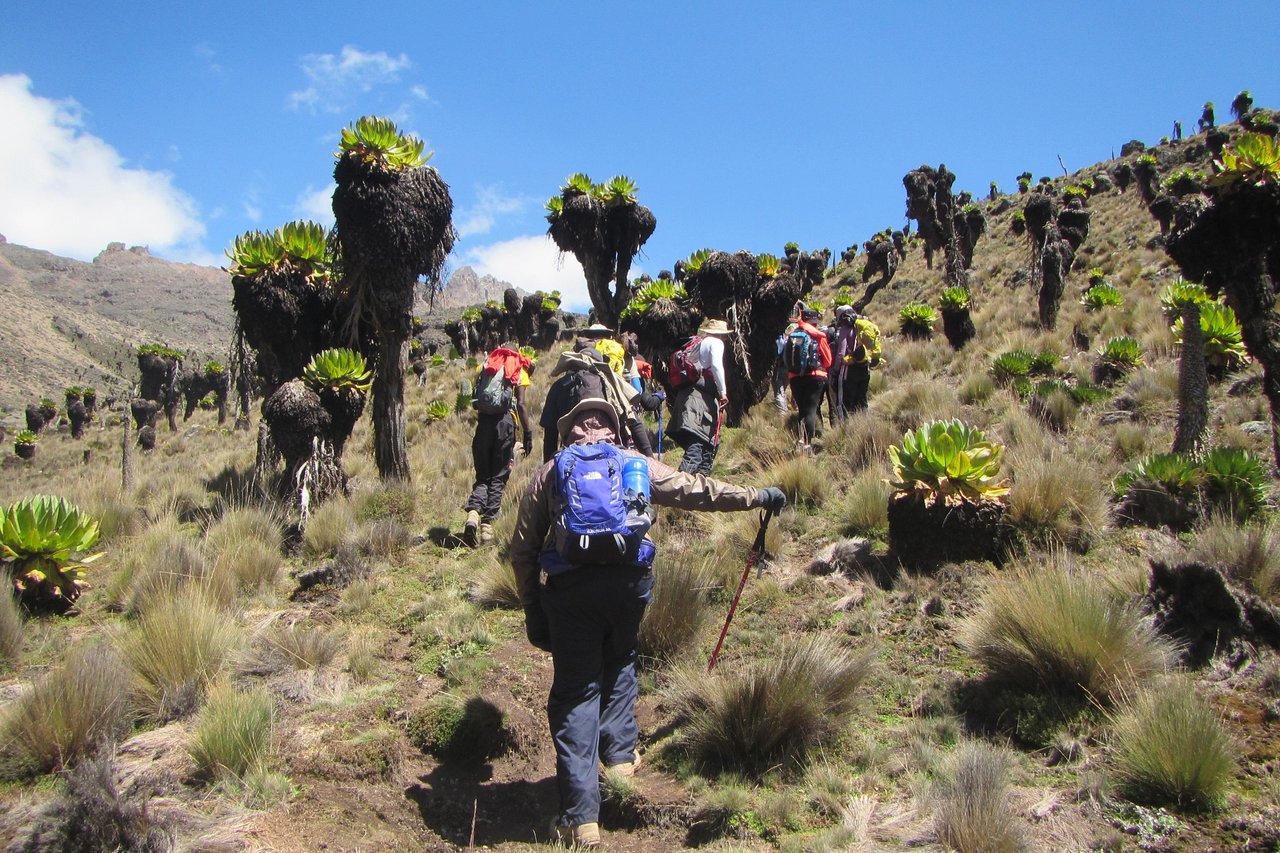
Climbing Mount Kenya is an exciting and rewarding adventure, but like any high-altitude mountain expedition, it requires proper planning, experienced guides, and responsible trekking practices.
At KILIMANJARO MAGIC ADVENTURE, safety is the foundation of every expedition we organise. Our professional mountain guides, experienced cooks, and dedicated porters work together to ensure every guest enjoys a safe, comfortable, and unforgettable trekking experience.
Whether you are climbing Point Lenana (4,985 metres) or attempting the technical ascent of Batian (5,199 metres), our safety procedures are designed to minimise risks while maximising your enjoyment of the mountain.
Why Safety Matters
Mount Kenya presents several natural challenges, including:
- High altitude
- Rapid weather changes
- Cold temperatures
- Rocky and uneven terrain
- Long hiking days
- Reduced oxygen levels near the summit
These challenges can be safely managed through proper preparation, experienced leadership, and responsible decision-making.
Professional Mountain Guides
Every expedition is led by experienced, knowledgeable mountain guides who are familiar with Mount Kenya’s routes, weather patterns, and emergency procedures.
Our guides are trained to:
- Lead safely at high altitude
- Monitor guest wellbeing
- Recognise symptoms of altitude sickness
- Provide first aid
- Make informed decisions in changing mountain conditions
- Coordinate emergency evacuations if required
Your guide’s decisions are always made with your safety as the highest priority.
Daily Health Monitoring
Throughout the trek, our guides regularly assess each guest’s condition.
They monitor:
- Walking pace
- Energy levels
- Appetite
- Hydration
- Sleep quality
- Symptoms of altitude sickness
Open communication is encouraged. If you feel unwell at any point, inform your guide immediately.
Acclimatisation
Proper acclimatisation is one of the most effective ways to reduce the risk of altitude sickness.
Our itineraries are designed to:
- Increase altitude gradually
- Include adequate rest periods
- Follow the principle of “climb high, sleep low” where appropriate
- Provide sufficient time for your body to adapt
For first-time high-altitude trekkers, we recommend itineraries of 5 to 8 days for the best chance of a successful summit.
Food and Hydration
Maintaining energy and hydration is essential.
Our mountain cooks prepare freshly cooked meals that provide the calories needed for trekking at altitude.
Guests are encouraged to:
- Drink 3–4 litres of water daily
- Eat regular meals
- Inform guides of any dietary requirements before the trek
Proper nutrition supports both performance and acclimatisation.
Mountain Equipment
Using the correct equipment greatly improves safety and comfort.
Essential gear includes:
- Waterproof hiking boots
- Warm insulated jacket
- Waterproof jacket and trousers
- Thermal clothing
- Gloves
- Warm hat
- Headlamp
- Trekking poles
- Sleeping bag suitable for sub-zero temperatures
If you do not own the required equipment, quality rental gear can be arranged before your climb.
Weather Conditions
Mountain weather can change quickly.
Trekkers should be prepared for:
- Bright sunshine
- Cold mornings
- Strong winds
- Rain
- Frost
- Occasional snow near the summit
Layered clothing allows you to adapt comfortably to changing conditions throughout the day.
Wildlife Safety
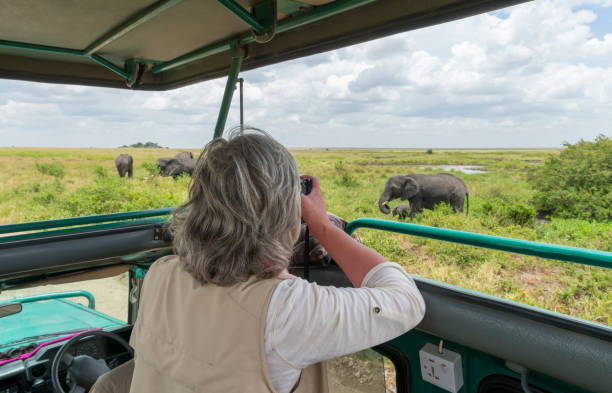
Mount Kenya National Park is home to a variety of wildlife.
Although wildlife encounters are uncommon during the trek, animals found in the park include:
- Buffalo
- Elephants
- Bushbuck
- Colobus monkeys
- Hyrax
- Various bird species
Our guides are trained to respond appropriately should wildlife be encountered.
Guests should:
- Never approach wildlife
- Remain with the group
- Follow guide instructions at all times
- Avoid feeding animals
Emergency Procedures
Every expedition includes emergency planning.
Our teams carry:
- Comprehensive first aid kits
- Emergency communication equipment where available
- Emergency contact information
- Evacuation procedures
If a medical emergency occurs, your guide will assess the situation and coordinate the most appropriate response.
Physical Preparation
Good physical fitness makes your climb more enjoyable.
We recommend preparing several weeks before your trek with activities such as:
- Walking
- Hill hiking
- Stair climbing
- Cycling
- Running
- Strength training
You do not need to be an elite athlete, but regular exercise will improve your experience.
Responsible Trekking
To protect Mount Kenya’s fragile environment, we encourage all climbers to:
- Stay on marked trails
- Leave no litter
- Respect wildlife
- Avoid damaging vegetation
- Use reusable water bottles
- Follow park regulations
- Respect local communities and mountain staff
Responsible trekking helps preserve Mount Kenya for future generations.
Tips for a Safe Climb
Before your trek:
- Train regularly.
- Ensure your travel insurance covers high-altitude trekking.
- Pack appropriate clothing.
- Get enough rest before arrival.
During your trek:
- Walk slowly.
- Stay hydrated.
- Eat well.
- Listen to your guide.
- Report any symptoms immediately.
- Keep warm.
- Enjoy the journey rather than rushing to the summit.
Our Commitment to Safety
When you climb with KILIMANJARO MAGIC ADVENTURE, you benefit from:
- Experienced mountain guides
- Well-maintained trekking equipment
- Freshly prepared meals
- Professional mountain crew
- Carefully planned itineraries
- Daily health monitoring
- Emergency preparedness
- Personalised guest care
Every expedition is organised with professionalism, attention to detail, and a commitment to your wellbeing.
Climb with Confidence
Mount Kenya is one of Africa’s most rewarding trekking destinations, offering breathtaking scenery, unique wildlife, and an unforgettable summit experience.
With the right preparation and an experienced mountain team, you can enjoy this remarkable adventure safely and confidently.
Safe Adventures Begin with Expert Planning
Choose KILIMANJARO MAGIC ADVENTURE for professionally guided Mount Kenya expeditions, outstanding customer care, and a strong commitment to safety from your first step to the summit and back.