Everything You Need to Know Before Climbing Mount Kenya
Planning to climb Mount Kenya? Below are answers to the questions we are most frequently asked by our guests. Whether you are preparing for your first high-altitude trek or you are an experienced hiker, this guide will help you understand what to expect before, during, and after your adventure.
At KILIMANJARO MAGIC ADVENTURE, we are committed to making your Mount Kenya experience safe, enjoyable, and memorable.
1. Where is Mount Kenya?
Mount Kenya is located in central Kenya, approximately 175 kilometres northeast of Nairobi. It lies within Mount Kenya National Park, a UNESCO World Heritage Site renowned for its diverse ecosystems, dramatic peaks, glaciers, and unique wildlife.
2. How high is Mount Kenya?
Mount Kenya has three principal peaks:
- Batian – 5,199 metres (17,057 ft)
- Nelion – 5,188 metres (17,021 ft)
- Point Lenana – 4,985 metres (16,355 ft)
Point Lenana is the highest trekking summit and is the destination for most visitors.
3. Do I need technical climbing experience?
No, if you are climbing Point Lenana.
Point Lenana is reached by trekking and does not require ropes or technical climbing skills.
However, Batian and Nelion are technical climbing peaks requiring previous alpine climbing experience, ropes, and specialised equipment.
4. How difficult is Mount Kenya?
Mount Kenya is considered moderately challenging.
The main challenges include:
- High altitude
- Long hiking days
- Rocky mountain trails
- Cold summit temperatures
Most healthy people with good fitness and proper preparation can successfully reach Point Lenana.
5. Which is the best route?
Each route offers a different experience.
Sirimon Route
- Most popular
- Excellent acclimatisation
- Gradual ascent
- High summit success
Chogoria Route
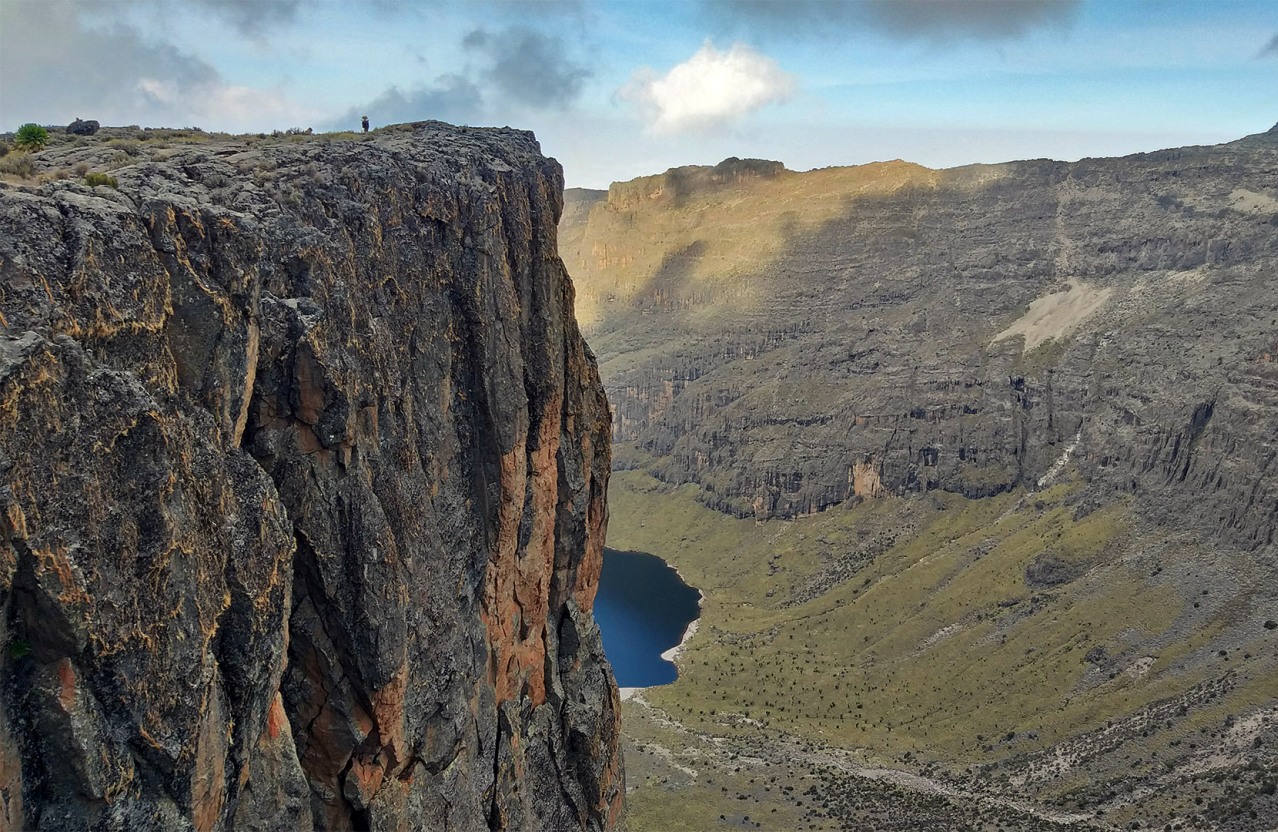
- Most scenic
- Beautiful lakes and waterfalls
- Excellent for photography
Naro Moru Route
- Fastest ascent
- Suitable for shorter itineraries
- Includes the famous Vertical Bog
Burguret Route
- Remote and less crowded
- Ideal for experienced trekkers seeking solitude
6. How many days should I spend on the mountain?
Recommended durations are:
- 4 Days – Experienced hikers
- 5 Days – Most popular option
- 6 Days – Excellent acclimatisation
- 7–8 Days – Best overall experience with the highest summit success rates
Longer itineraries provide more time to acclimatise and enjoy the mountain.
7. What is the best time to climb Mount Kenya?
The best climbing seasons are:
January – March
- Warm weather
- Clear skies
- Excellent visibility
July – October
- Dry conditions
- Stable weather
- Outstanding mountain views
Climbing is possible throughout the year, although rainy seasons can make trails wetter and more challenging.
8. Will I experience altitude sickness?
Altitude sickness can affect anyone, regardless of age or fitness.
Common symptoms include:
- Headache
- Fatigue
- Nausea
- Loss of appetite
- Difficulty sleeping
Our guides monitor every climber carefully throughout the trek.
To reduce the risk:
- Walk slowly
- Drink plenty of water
- Eat well
- Choose a longer itinerary for better acclimatisation
- Inform your guide immediately if you feel unwell
9. What wildlife might I see?
Mount Kenya National Park is home to a remarkable variety of wildlife.
Possible sightings include:
- African buffalo
- Bushbuck
- Black-and-white colobus monkeys
- Sykes’ monkeys
- Rock hyrax
- Giant forest hog
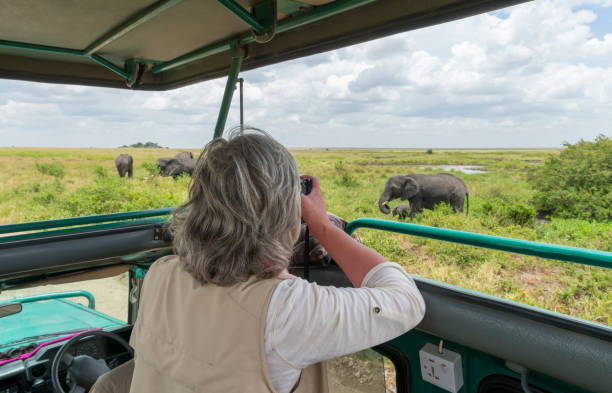
- Elephants (mainly in the forest zone)
- Numerous bird species
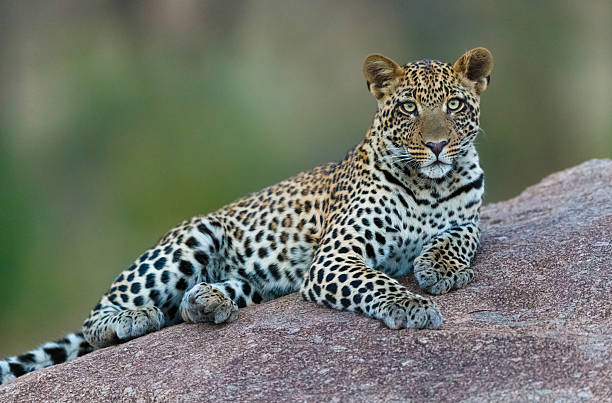
Although leopards inhabit the park, they are rarely seen.
10. Where do we sleep?
Depending on your chosen route, accommodation may include:
- Mountain huts
- Mountain bandas
- Camping
Accommodation before and after the trek can also be arranged in Nairobi or nearby towns.
11. Do porters carry our luggage?
Yes.
Our professional porters carry your main duffel bag and camping equipment.
You only need to carry a small daypack containing:
- Water
- Camera
- Rain jacket
- Warm clothing
- Snacks
- Personal items
12. Is drinking water provided?
Yes.
Safe drinking water is provided throughout the trek.
We recommend bringing reusable water bottles or a hydration bladder with a combined capacity of 2–3 litres.
13. What food is served on the mountain?
Our experienced mountain cooks prepare freshly cooked meals every day.
Typical meals include:
Breakfast:
- Porridge
- Eggs
- Bread
- Fruit
- Tea and coffee
Lunch:
- Rice
- Pasta
- Vegetables
- Chicken or beef
- Fresh fruit
Dinner:
- Soup
- Rice or potatoes
- Vegetables
- Meat or vegetarian dishes
- Dessert
Special dietary requirements can usually be accommodated with advance notice.
14. Can vegetarians and vegans be catered for?
Yes.
Please let us know your dietary requirements when booking so we can prepare suitable meals throughout your trek.
15. What temperatures should I expect?
Temperatures vary significantly.
Lower elevations:
10°C to 25°C
Higher camps:
0°C to 10°C
Summit morning:
-5°C to -10°C, depending on the season and weather conditions.
16. Do I need travel insurance?
Yes.
We strongly recommend comprehensive travel insurance that covers:
- High-altitude trekking
- Medical treatment
- Emergency evacuation
- Trip cancellation
- Personal belongings
Always check your policy before travelling.
17. Can beginners climb Mount Kenya?
Yes.
Many first-time trekkers successfully summit Point Lenana each year.
The key is:
- Good physical fitness
- Proper preparation
- Choosing an itinerary with sufficient acclimatisation
- Following your guide’s instructions
18. What equipment can I hire?
Equipment available for hire typically includes:
- Sleeping bags
- Trekking poles
- Waterproof jackets
- Waterproof trousers
- Down jackets
- Gaiters
- Duffel bags
- Gloves
Our team can help arrange rental equipment before your climb.
19. How much should I tip?
Tipping is voluntary but appreciated as recognition of excellent service.
Typical guidelines are:
- Lead Guide
- Assistant Guide
- Cook
- Porters
Your travel consultant can provide current recommended tipping ranges before your trek.
20. Why book with KILIMANJARO MAGIC ADVENTURE?
We are passionate about delivering safe, enjoyable, and professionally organised mountain adventures throughout East Africa.
When you climb with us, you benefit from:
- Experienced mountain guides
- Professional cooks and porters
- High-quality camping equipment
- Carefully designed itineraries
- Excellent safety standards
- Reliable customer support
- Personalised service from enquiry to departure
Whether you are trekking to Point Lenana or planning a technical ascent of Batian, our experienced team is committed to making your Mount Kenya expedition an unforgettable success.
Still Have Questions?
Our travel specialists are always happy to help you plan your Mount Kenya adventure.
Whether you need advice on choosing the best route, selecting equipment, preparing for altitude, or combining Mount Kenya with a safari or beach holiday, we are here to assist every step of the way.
Plan Your Mount Kenya Adventure with Confidence
Choose KILIMANJARO MAGIC ADVENTURE for expert guidance, professional mountain crews, and unforgettable trekking experiences on Africa’s second-highest mountain.