Your Complete Guide to Climbing Africa’s Second Highest Mountain
Mount Kenya is Africa’s second-highest mountain after Mount Kilimanjaro and one of the continent’s most spectacular trekking destinations. Rising to 5,199 metres (17,057 feet) above sea level, this UNESCO World Heritage Site offers breathtaking scenery, diverse ecosystems, dramatic peaks, alpine lakes, glaciers, and some of the finest mountain trekking in East Africa.
Whether you are an experienced mountaineer or a first-time high-altitude trekker, Mount Kenya offers routes suitable for different fitness levels and adventure goals.
At KILIMANJARO MAGIC ADVENTURE, we organise professionally guided Mount Kenya expeditions with experienced mountain guides, cooks, and porters, ensuring a safe, enjoyable, and unforgettable trekking experience.

Quick Facts About Mount Kenya
| Information | Details |
| Country | Kenya |
| Height | 5,199 metres (17,057 feet) |
| UNESCO Status | World Heritage Site |
| National Park | Mount Kenya National Park |
| Highest Peak | Batian |
| Second Peak | Nelion |
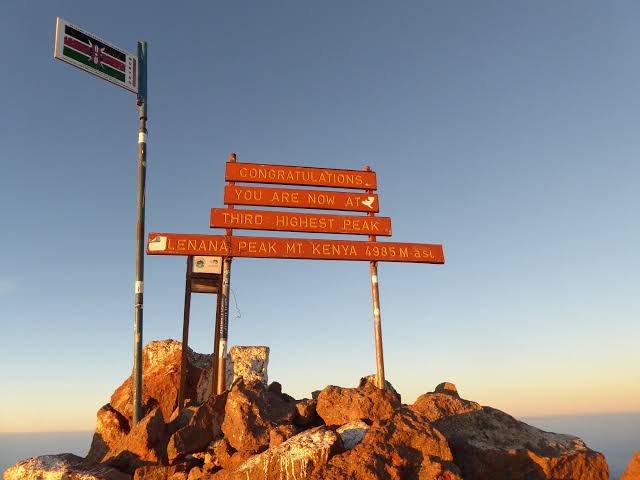
| Trekking Summit | Point Lenana (4,985 metres) |
| Best Seasons | January–March & July–October |
| Climbing Duration | 4–8 Days |
| Difficulty | Moderate to Technical |
The Peaks of Mount Kenya
Mount Kenya has three principal peaks:
Batian (5,199 m)
The highest peak on Mount Kenya.
Batian requires technical rock climbing experience and specialised mountaineering equipment. It is suitable only for experienced climbers.
Nelion (5,188 m)
The second-highest summit.
Like Batian, Nelion is a technical climbing peak requiring advanced alpine climbing skills.
Point Lenana (4,985 m)
Point Lenana is the most popular trekking summit.
No technical climbing is required, making it accessible to fit hikers with proper acclimatisation and experienced mountain guides.
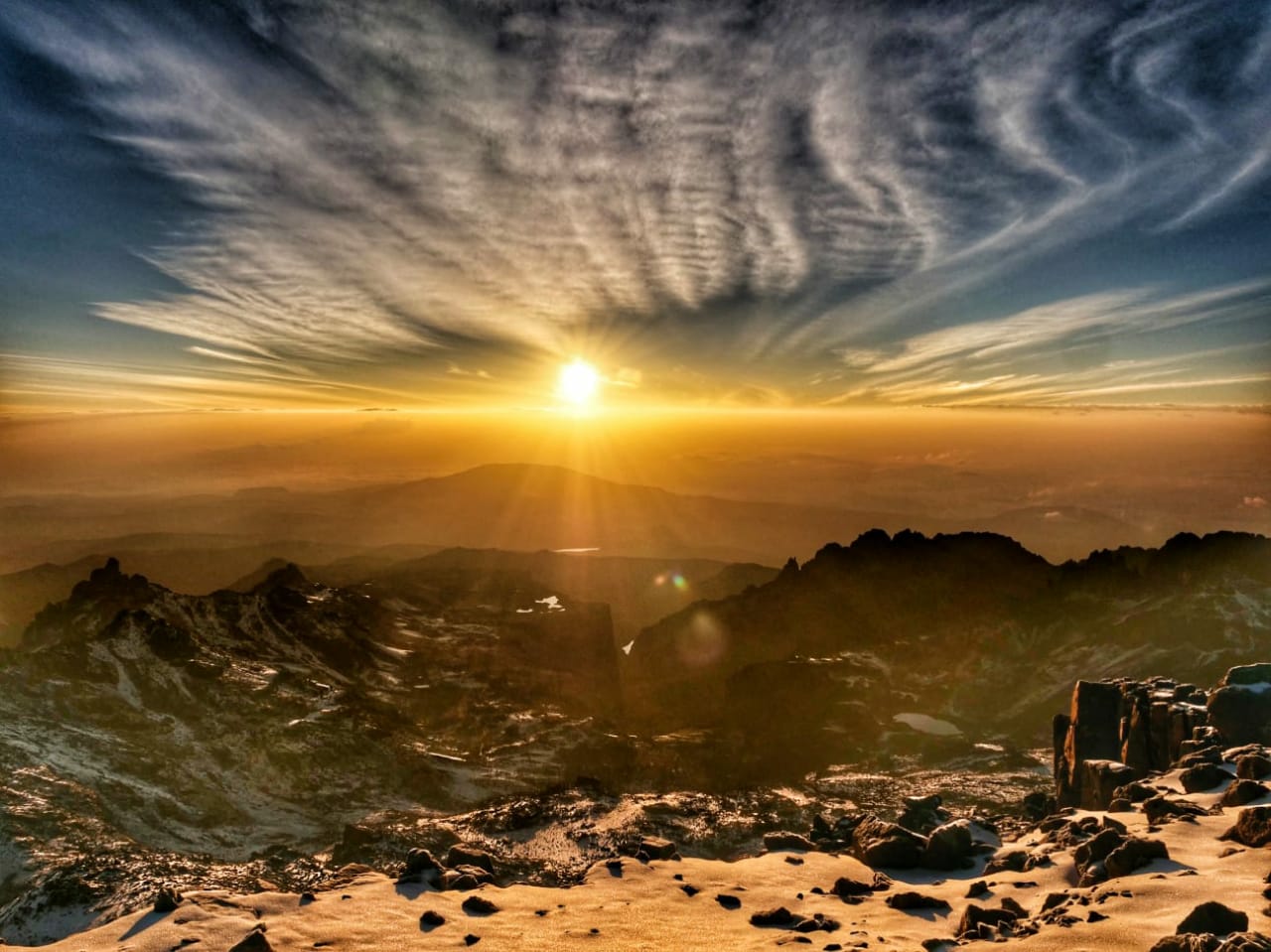
Most visitors aim to reach Point Lenana at sunrise.
Best Time to Climb Mount Kenya
Mount Kenya can be climbed throughout the year, but weather conditions vary depending on the season.
January – March
This is one of the best times to climb.
Expect:
- Clear skies
- Warm daytime temperatures
- Excellent mountain views
- Dry trekking conditions
July – October
Another excellent climbing season.
Conditions include:
- Stable weather
- Cooler temperatures
- Outstanding visibility
- Excellent photography opportunities
April – June
This period experiences the long rains.
Trails may become muddy and visibility may be reduced.
November – December
The short rainy season brings occasional showers, although climbing remains possible.
Mount Kenya Trekking Routes
Sirimon Route
The Sirimon Route is the most popular ascent.
Highlights include:
- Gradual ascent
- Excellent acclimatisation
- Beautiful Mackinder Valley
- High summit success
Chogoria Route
Often regarded as the most scenic route.
Highlights include:
- Lake Ellis
- Temple Cliffs
- Gorges Valley
- Waterfalls
- Alpine lakes
Naro Moru Route
The quickest route to Point Lenana.
Suitable for:
- Experienced trekkers
- Short itineraries
Challenges include:
- Steeper ascent
- Lower acclimatisation profile
- The famous Vertical Bog section
Burguret Route
A remote wilderness route.
Perfect for trekkers seeking solitude and a less-travelled experience.
Difficulty Level
Mount Kenya is considered a moderately challenging mountain.
Factors include:
- High altitude
- Long hiking days
- Rocky terrain
- Cold summit temperatures
No technical climbing is required for Point Lenana.
Wildlife on Mount Kenya
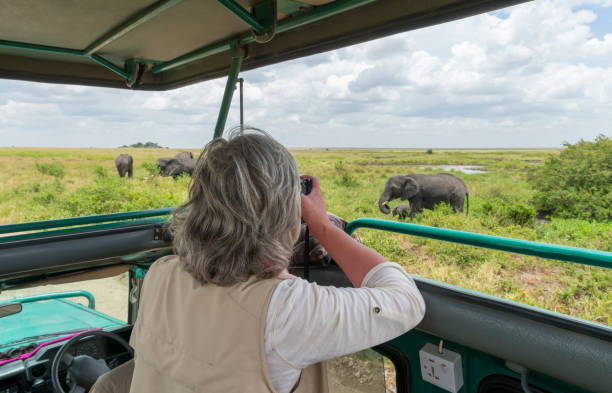
Mount Kenya National Park protects a remarkable variety of wildlife.
Possible sightings include:
- African buffalo
- Bushbuck
- Black-and-white colobus monkeys
- Sykes’ monkeys
- Rock hyrax
- Giant forest hog
- Elephants (forest zone)
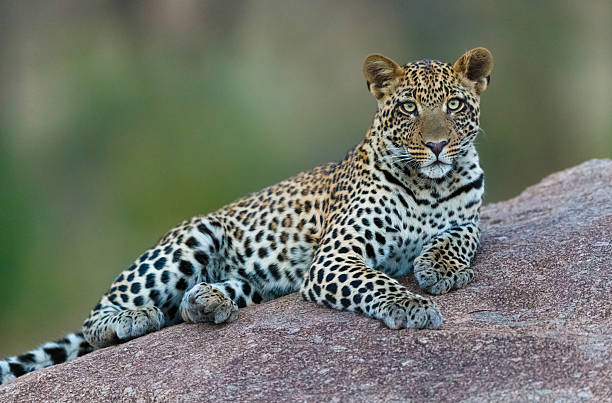
- Leopards (rare)
- Over 130 bird species
Vegetation Zones
Trekkers experience several unique ecological zones:
Montane Forest
- Cedar trees
- Bamboo forest
- Wildlife-rich habitat
Heath Zone
- Giant heather
- Colourful wildflowers
Moorland
- Giant Lobelias
- Giant Groundsels
- Alpine streams
Alpine Desert
- Rocky landscapes
- Sparse vegetation
- Spectacular mountain scenery
Summit Zone
- Glaciers
- Granite peaks
- Snow patches
- Panoramic views
Altitude Sickness
Because Mount Kenya reaches nearly 5,000 metres, altitude sickness is possible.
To reduce the risk:
- Walk slowly
- Drink plenty of water
- Eat regular meals
- Follow your guide’s instructions
- Choose longer itineraries for better acclimatisation
Accommodation
Depending on your itinerary, accommodation may include:
- Mountain huts
- Mountain bandas
- Camping
- Hotels before and after the trek
Why Climb Mount Kenya?
Mount Kenya offers:
- Fewer crowds than many famous mountains
- Exceptional scenery
- Diverse ecosystems
- Excellent wildlife
- Outstanding photography
- Challenging yet rewarding trekking
- One of Africa’s finest mountain adventures
Why Choose KILIMANJARO MAGIC ADVENTURE?
With years of experience leading mountain expeditions across East Africa, KILIMANJARO MAGIC ADVENTURE provides professional guides, carefully planned itineraries, quality equipment, and personalised service to ensure every climb is safe, enjoyable, and memorable.
Whether you are climbing Point Lenana or taking on the technical challenge of Batian, our experienced team is committed to helping you achieve your mountain goals.
Explore the Majesty of Mount Kenya
Challenge yourself on Africa’s second-highest mountain and discover breathtaking alpine scenery, remarkable wildlife, and unforgettable trekking experiences with KILIMANJARO MAGIC ADVENTURE, your trusted East African mountain specialist.