
Understanding Altitude and Staying Safe on Mount Kenya
One of the most important factors in successfully climbing Mount Kenya is understanding how your body responds to high altitude. Although Point Lenana (4,985 metres) does not require technical climbing skills, the altitude alone can affect anyone—regardless of age, fitness level, or previous trekking experience.
At KILIMANJARO MAGIC ADVENTURE, your safety is our highest priority. Our experienced mountain guides are trained to recognise the early signs of altitude sickness, monitor every climber throughout the trek, and make informed decisions to ensure a safe and enjoyable mountain experience.
The good news is that with proper acclimatisation, a gradual ascent, good hydration, and an experienced guiding team, most trekkers complete their Mount Kenya climb safely and successfully.
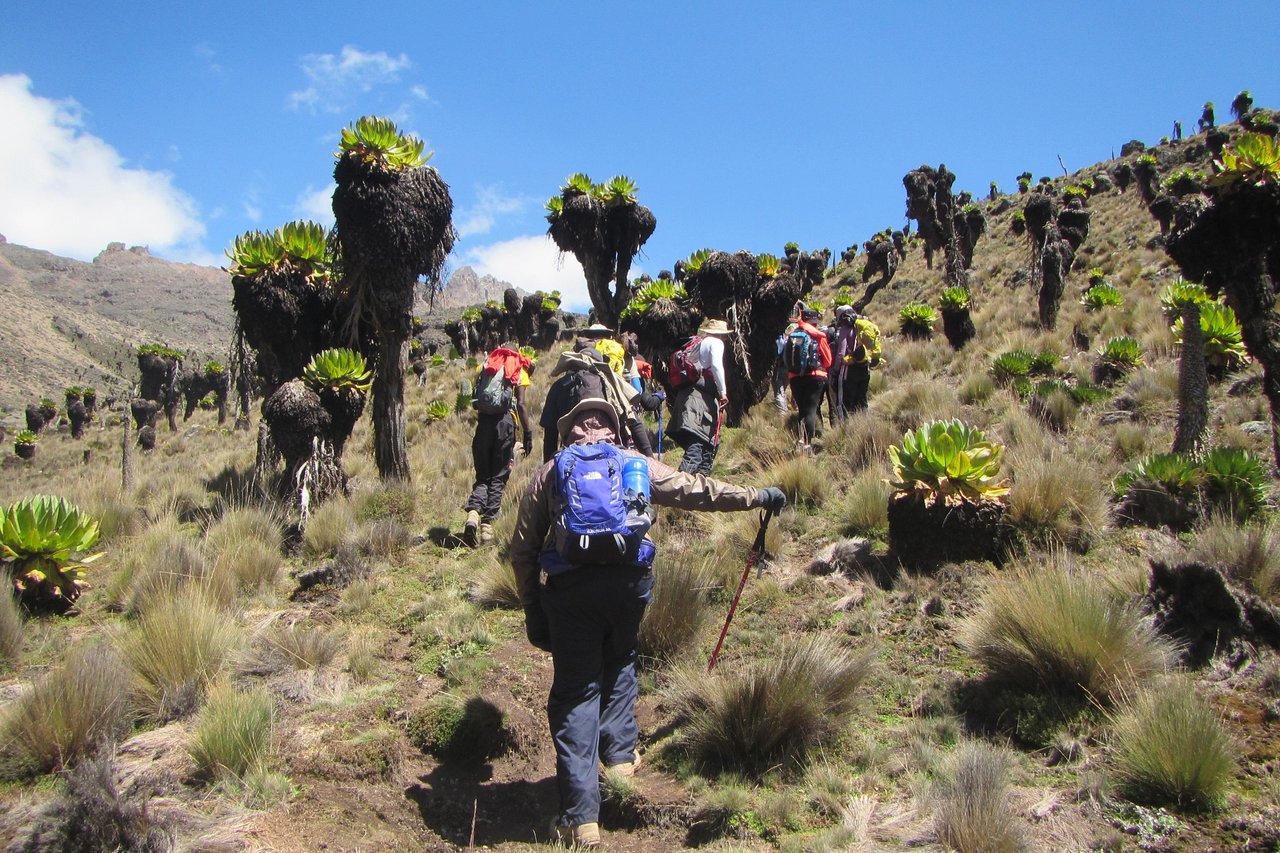
What is Altitude Sickness?
Altitude sickness, also known as Acute Mountain Sickness (AMS), occurs when your body struggles to adapt to reduced oxygen levels at higher elevations.
As altitude increases, air pressure decreases, meaning every breath contains less oxygen than at sea level.
Your body needs time to adjust.
If you ascend too quickly, symptoms of altitude sickness may develop.
At What Altitude Can Altitude Sickness Occur?
Most people begin to notice the effects of altitude above:
2,500 metres (8,200 feet)
Because Mount Kenya reaches nearly 5,000 metres, proper acclimatisation is extremely important.
Common Symptoms of Mild Altitude Sickness
Mild symptoms may include:
- Headache
- Loss of appetite
- Nausea
- Dizziness
- Fatigue
- Shortness of breath during exertion
- Difficulty sleeping
These symptoms are common during the first few days at altitude and often improve with rest, hydration, and a slow pace.
Serious Altitude Illness
Although uncommon on well-planned treks, severe altitude illness requires immediate attention.
High Altitude Cerebral Oedema (HACE)
Possible symptoms include:
- Severe headache
- Confusion
- Loss of coordination
- Difficulty walking
- Unusual behaviour
- Drowsiness
This is a medical emergency.
High Altitude Pulmonary Oedema (HAPE)
Possible symptoms include:
- Persistent cough
- Difficulty breathing while resting
- Chest tightness
- Extreme weakness
- Blue lips or fingertips
This is also a medical emergency requiring immediate descent and medical treatment.
Who Can Get Altitude Sickness?
Anyone can develop altitude sickness.
It does not depend on:
- Age
- Gender
- Physical fitness
- Previous hiking experience
Even elite athletes can experience altitude sickness.
How We Reduce the Risk
At KILIMANJARO MAGIC ADVENTURE, we follow internationally recognised mountain safety practices.
Our climbs include:
Gradual Ascent
We avoid rushing the mountain whenever possible.
Longer itineraries provide more time for your body to adjust naturally.
Proper Acclimatisation
Many of our itineraries include dedicated acclimatisation hikes using the principle:
“Climb high, sleep low.”
This allows your body to adapt more effectively.
Daily Health Monitoring
Our guides monitor climbers several times each day.
They assess:
- General wellbeing
- Walking pace
- Energy levels
- Appetite
- Hydration
- Symptoms of altitude sickness
If necessary, guides may recommend additional rest or descent.
Flexible Trekking Pace
Our guides encourage a slow, steady walking speed.
There is no benefit to rushing at altitude.
The mountain rewards patience.
How to Prevent Altitude Sickness
You can greatly improve your chances of a successful summit by following these simple recommendations.
Walk Slowly
Maintain a comfortable pace.
Slow walking conserves energy and helps your body adjust to the altitude.
Drink Plenty of Water
Aim to drink approximately 3–4 litres of water each day unless advised otherwise by your guide.
Proper hydration supports acclimatisation.
Eat Regular Meals
Even if your appetite decreases, try to eat every meal provided.
Your body needs energy to perform well at altitude.
Stay Warm
Cold temperatures increase physical stress.
Wear appropriate layers and keep dry throughout the trek.
Avoid Alcohol
Alcohol can increase dehydration and interfere with acclimatisation.
Avoid drinking alcohol before and during your climb.
Get Enough Rest
Sleep plays an important role in helping your body recover and adapt.
Should I Take Altitude Medication?
Some climbers choose to take medications such as acetazolamide (Diamox) to assist with acclimatisation.
Medication is not essential for everyone and should only be taken after consulting a qualified medical professional.
Always inform your guide if you are taking any medication.
What Happens if I Develop Symptoms?
Your guide will carefully assess your condition.
Depending on the severity of your symptoms, they may recommend:
- Resting
- Drinking additional fluids
- Slowing your pace
- Remaining at the same altitude for longer
- Descending to a lower elevation if necessary
Your guide’s decision is always made with your safety as the priority.
Emergency Procedures
Although serious altitude illness is rare on Mount Kenya, every expedition prepared by KILIMANJARO MAGIC ADVENTURE includes emergency planning.
Our mountain teams carry:
- First aid equipment
- Emergency communication devices (where available)
- Emergency evacuation procedures
- Trained mountain personnel
If a medical emergency occurs, our guides will coordinate the safest and quickest response based on the situation.
Best Itineraries for Acclimatisation
For the highest summit success and the lowest risk of altitude-related problems, we recommend:
Excellent
- 6 Days Sirimon–Chogoria Traverse
- 6 Days Chogoria–Sirimon Traverse
- 8 Days Mount Kenya Grand Expedition
Good
- 5 Days Sirimon Route
- 5 Days Chogoria Route
Suitable for Experienced Trekkers
- 4 Days Naro Moru Route
- 4 Days Sirimon Route
Longer itineraries generally provide more time for acclimatisation and are often the preferred choice for first-time high-altitude trekkers.
Frequently Asked Questions
Does everyone get altitude sickness?
No. Many trekkers experience no symptoms at all, while others may develop mild symptoms that improve with rest and hydration.
Does being fit prevent altitude sickness?
No.
Fitness is helpful for trekking, but it does not prevent altitude sickness.
Proper acclimatisation remains the most important factor.
Can I continue climbing with mild symptoms?
Many people experience mild headaches or tiredness while acclimatising.
Your guide will assess your condition and advise whether it is safe to continue.
Never ignore worsening symptoms.
What is the most effective prevention?
The most effective approach combines:
- A gradual ascent
- Good hydration
- Proper nutrition
- Adequate rest
- Following your guide’s advice
Climb Safely with KILIMANJARO MAGIC ADVENTURE
Every successful Mount Kenya expedition begins with careful preparation and responsible mountain practices.
Our experienced guides, well-planned itineraries, and commitment to guest safety ensure that you have the best possible opportunity to enjoy the spectacular scenery of Mount Kenya while climbing responsibly.
Whether your goal is Point Lenana or a longer mountain expedition, we are here to guide you every step of the way.
Climb Higher. Climb Smarter. Climb Safely.
Reach the summit with confidence through expert guidance, gradual acclimatisation, and professional mountain support from KILIMANJARO MAGIC ADVENTURE—your trusted East African trekking specialist.